US Government Simulation

Vocational Apprenticeship and Occupational Licensing Reform Act

Started Concluded11 total speeches
§

Bill Text: H.R. 10

Official Text (Introduced in House)

119TH CONGRESS

H.R. 10

IN THE HOUSE OF REPRESENTATIVES
December 2, 2024
Rep. Hinson of Iowa introduced the following bill

A BILL

To expand federal support for vocational trade apprenticeships, encourage state occupational licensing portability and reform, and for other purposes.

Be it enacted by the Senate and House of Representatives of the United States of America in Congress assembled,

SECTION 1. SHORT TITLE.

This Act may be cited as the "Vocational Apprenticeship and Occupational Licensing Reform Act".

SECTION 2. VOCATIONAL AND TECHNICAL APPRENTICESHIP GRANTS.

(a) ESTABLISHMENT OF GRANT PROGRAM.--The Secretary of Labor shall establish a competitive matching grant program to provide financial assistance to industry associations, community colleges, and trade schools for the creation, expansion, and scaling of registered skilled-trade apprenticeship programs.

(b) ELIGIBLE SECTORS.--Grants awarded under this section shall be prioritized for programs focused on high-demand fields, including construction, advanced manufacturing, and healthcare support services.

(c) PRIVATE-SECTOR PARTNERSHIPS.--Eligible applicants must demonstrate active partnerships with local employers to ensure curriculum alignment with industry standards and guaranteed placement opportunities upon successful completion.

SECTION 3. OCCUPATIONAL LICENSING REFORM INCENTIVES.

(a) CONDITIONING OF FUNDS.--Receipt of federal workforce innovation and opportunity funding by any State shall be conditioned upon the State taking affirmative legislative or executive action to--

    (1) join interstate occupational licensing reciprocity compacts for at least three major trade or service professions within two years of enactment; and

    (2) review and eliminate unnecessary credentialing barriers, background restrictions, and training-hour requirements for non-hazardous professions.

(b) TECHNICAL ASSISTANCE.--The Department of Labor shall establish a state-level task force to provide technical assistance, model legislation, and legal guidance to assist States in dismantling restrictive licensing barriers.

SECTION 4. EXPANSION OF WORKFORCE PELL GRANTS.

(a) AMENDMENT OF ELIGIBILITY.--Section 401 of the Higher Education Act is amended to permit students enrolled in accredited short-term occupational certificate and credentialing programs of not less than 150 clock hours and 8 weeks of instruction to receive Federal Pell Grant assistance.

(b) QUALITY ASSURANCE.--Eligible short-term programs must demonstrate a proven record of graduate job placement rates exceeding 70 percent and median wage gains verified by independent third-party audits.

SECTION 5. EFFECTIVE DATE.

This Act shall take effect 90 days after the date of enactment.
Debate

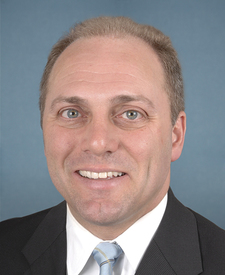
Steve Scalise

House Majority Leader · Steve Scalise

Mr. Speaker, I rise today in strong support of H.R. 10, the Vocational Apprenticeship and Occupational Licensing Reform Act. As a champion of workforce development and a proud representative of the great state of Louisiana, I believe this bill aligns perfectly with our nation's need for skilled workers and streamlined occupational licensing.

One of the key concerns I have regarding this bill is the potential for overregulation in Section 3, particularly in conditioning federal funding on states joining interstate occupational licensing reciprocity compacts. I fear this could lead to a one-size-fits-all approach, stifling innovation and flexibility in our nation's workforce development. I urge my colleagues to consider the importance of preserving state sovereignty and flexibility in our workforce development policies.

I urge my colleagues to vote Aye, and I yield back the balance of my time.

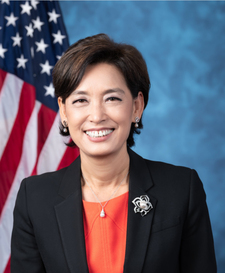
Young Kim

Main Street Group House Chair · Young Kim

Mr. Speaker, I rise today in strong support of H.R. 10, the Vocational Apprenticeship and Occupational Licensing Reform Act. As the Main Street Group House Chair from California, I believe this bill will help bridge the skills gap in our nation's workforce and promote economic growth in our state.

One of the key strengths of this bill is its focus on private-sector partnerships, which will ensure that apprenticeships are aligned with industry standards and provide students with guaranteed placement opportunities upon completion. This approach will not only prepare students for in-demand fields but also meet the needs of local employers, driving economic growth and job creation in our communities.

I urge my colleagues to vote Aye, and I yield back the balance of my time.

Steve Scalise

House Majority Leader · Steve Scalise

The Honorable Speaker, I rise today to address the Vocational Apprenticeship and Occupational Licensing Reform Act, H.R. 10. As the House Majority Leader from Louisiana, I wholeheartedly support this legislation, which aims to expand federal support for vocational trade apprenticeships and occupational licensing reform. This bill is a crucial step towards addressing the nation's skills gap and promoting economic growth in our communities. I urge my colleagues to consider the potential benefits of this legislation, particularly in high-demand fields such as construction, advanced manufacturing, and healthcare support services.

One of the key concerns I have regarding this bill is the potential for overregulation in Section 3, particularly in conditioning federal funding on states joining interstate occupational licensing reciprocity compacts. I fear this could lead to a one-size-fits-all approach, stifling innovation and flexibility in our nation's workforce development. I urge my colleagues to consider the importance of preserving state sovereignty and flexibility in our workforce development policies.

I urge my colleagues to vote Aye, and I yield back the balance of my time.

Young Kim

Main Street Group House Chair · Young Kim

Mr. Speaker, I rise today in strong support of H.R. 10, the Vocational Apprenticeship and Occupational Licensing Reform Act. As the Main Street Group House Chair from California, I believe this bill will help bridge the skills gap in our nation's workforce and promote economic growth in our state.

One of the key strengths of this bill is its focus on private-sector partnerships, which will ensure that apprenticeships are aligned with industry standards and provide students with guaranteed placement opportunities upon completion. This approach will not only prepare students for in-demand fields but also meet the needs of local employers, driving economic growth and job creation in our communities. I strongly disagree with the concerns raised by my colleagues regarding overregulation in Section 3, as this bill actually promotes state flexibility by providing incentives for states to join interstate occupational licensing reciprocity compacts, rather than mandating it. This will allow states to innovate and tailor their workforce development policies to meet their unique needs.

I urge my colleagues to vote Aye, and I yield back the balance of my time.

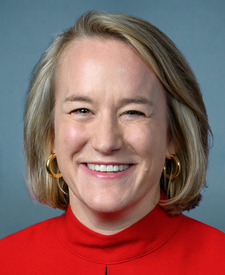
Nikki Budzinski

New Liberals Council House Chair · Nikki Budzinski

Mr. Speaker, I rise today as the Chair of the New Liberals Council from Illinois to express my support for H.R. 10, the Vocational Apprenticeship and Occupational Licensing Reform Act. This bill is a crucial step towards addressing the nation's skills gap and promoting economic growth in our communities. I agree with my colleague from California that the focus on private-sector partnerships is a key strength of this bill, as it will ensure that apprenticeships are aligned with industry standards and provide students with guaranteed placement opportunities upon completion. However, I also want to address the concern raised by my colleague from Louisiana regarding overregulation in Section 3. While I understand the importance of preserving state sovereignty, I believe that the incentives provided in this bill for states to join interstate occupational licensing reciprocity compacts will actually promote state flexibility and innovation, rather than stifling it. I urge my colleagues to consider the potential benefits of this legislation and vote Aye, and I yield back the balance of my time.

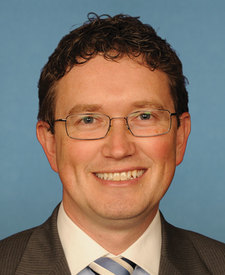
Thomas Massie

Tea Party Caucus House Chair · Thomas Massie

Mr. Speaker, I rise today in strong support of H.R. 10, the Vocational Apprenticeship and Occupational Licensing Reform Act. As the Representative from Kentucky, I believe this bill aligns perfectly with our nation's need for skilled workers and streamlined occupational licensing.

One of the key concerns I have regarding this bill is the potential for overregulation in Section 3, particularly in conditioning federal funding on states joining interstate occupational licensing reciprocity compacts. However, I strongly disagree with the notion that this provision stifles innovation and flexibility. In fact, it provides a necessary incentive for states to join these compacts, allowing them to innovate and tailor their workforce development policies to meet their unique needs. This approach will not only promote state flexibility but also drive economic growth and job creation in our communities.

I urge my colleagues to consider the potential benefits of this legislation, particularly in high-demand fields such as construction, advanced manufacturing, and healthcare support services. I urge my colleagues to vote Aye, and I yield back the balance of my time.

Nikki Budzinski

New Liberals Council House Chair · Nikki Budzinski

Mr. Speaker, I rise today as the Chair of the New Liberals Council from Illinois to express my support for H.R. 10, the Vocational Apprenticeship and Occupational Licensing Reform Act. This bill is a crucial step towards addressing the nation's skills gap and promoting economic growth in our communities. I agree with my colleague from California that the focus on private-sector partnerships is a key strength of this bill, as it will ensure that apprenticeships are aligned with industry standards and provide students with guaranteed placement opportunities upon completion. However, I also want to address the concern raised by my colleague from Louisiana regarding overregulation in Section 3. While I understand the importance of preserving state sovereignty, I believe that the incentives provided in this bill for states to join interstate occupational licensing reciprocity compacts will actually promote state flexibility and innovation, rather than stifling it. I urge my colleagues to consider the potential benefits of this legislation and vote Aye, and I yield back the balance of my time.

Steve Scalise

House Majority Leader · Steve Scalise

Mr. Speaker, I support H.R. 10 because Louisiana workers deserve clear pathways into skilled, good-paying jobs. Its apprenticeship grants connect trade schools and community colleges directly with local employers, while short-term Pell aid helps students train for work without committing to years of unnecessary schooling.

The gentleman from Kentucky is right that licensing reciprocity can help workers move across state lines. But Section 3 conditions federal workforce funds on state action, intruding on decisions best made by states. We should preserve that principle while expanding employer-backed training and verified job placements. I urge support for H.R. 10, and I yield back the balance of my time.

Thomas Massie

Tea Party Caucus House Chair · Thomas Massie

Mr. Speaker, I rise in support of H.R. 10. Kentucky’s tradespeople need practical routes into good-paying work, not years of needless schooling or licensing barriers that keep qualified workers from earning a living.

The gentleman from Louisiana rightly warns that Section 3 ties federal workforce funds to state decisions. But reciprocity and review of unnecessary requirements can help Kentucky workers carry their skills across state lines and enter non-hazardous professions without pointless hurdles. Employer-backed apprenticeships and short-term credentials also connect training to real jobs. Let states clear barriers and let employers help train the workforce; I urge support for H.R. 10, and I yield back the balance of my time.

Nikki Budzinski

New Liberals Council House Chair · Nikki Budzinski

Mr. Speaker, I support H.R. 10 because Illinois workers deserve accessible paths to skilled, good-paying jobs. Its apprenticeship grants connect community colleges and trade schools with local employers, while expanded Pell eligibility can help students earn short-term credentials tied to real employment.

The gentleman from Louisiana raises a serious concern about conditioning workforce funds on state licensing changes. But this bill targets unnecessary barriers in non-hazardous professions and encourages reciprocity—helping qualified workers carry their skills across state lines without abandoning sensible state oversight. Let us expand opportunity while protecting workers and communities. I urge support for H.R. 10, and I yield back the balance of my time.

Steve Scalise

House Majority Leader · Steve Scalise

Mr. Speaker, I support H.R. 10 because Louisiana workers deserve practical pathways to skilled, good-paying jobs. Employer-backed apprenticeships and short-term Pell grants can help workers gain marketable skills without years of unnecessary schooling.

The gentlewoman from Illinois is right that reciprocity can help qualified workers cross state lines, but Section 3 goes further: it conditions federal workforce funds on state licensing decisions. We should respect state authority even as we remove needless barriers. Let us strengthen job-connected training and verified placements while preserving that principle. I urge support for H.R. 10, and I yield back the balance of my time.