US Government Simulation

Affordable Insulin and Prescription Drug Competition Act

Started Concluded4 total speeches
§

Bill Text: S. 29

Official Text (Amendment #1 — Adopted (Current))

119TH CONGRESS

S. 29

IN THE SENATE OF THE UNITED STATES
January 1, 2025
Sen. Collins of Maine introduced the following bill

A BILL

To cap monthly out-of-pocket insulin costs for patients with commercial health insurance, prohibit anti-competitive Pharmacy Benefit Manager practices, expedite Food and Drug Administration review of generic biosimilar insulin products, and for other purposes.

Be it enacted by the Senate and House of Representatives of the United States of America in Congress assembled,

SECTION 1. SHORT TITLE.

This Act may be cited as the "Affordable Insulin and Prescription Drug Competition Act".

SECTION 2. LIMITATION ON COMMERCIAL INSULIN COST-SHARING.

a) No pharmaceutical manufacturer, wholesaler, or pharmacy shall charge a total wholesale or retail list price exceeding $20 per vial or $35 per thirty-day supply of prescription insulin for any patient in the United States, whether insured or uninsured.

b) Cost-sharing limitations under this section shall apply regardless of whether the enrollee has satisfied the plan's annual deductible.

c) PROTECTION FOR UNINSURED AND CASH-PAYING PATIENTS.—Any individual without health insurance coverage, or whose coverage is not applied at the point of sale, shall be entitled to purchase covered insulin products at any licensed pharmacy for no more than the $20 per vial or $35 per thirty-day supply ceiling established under subsection (a).

d) PROHIBITION ON PREMIUM SHIFTING AND CROSS-DRUG PRICE HIKES.—

  1) Health insurance issuers shall not increase annual plan premiums or deductibles to offset reduced insulin cost-sharing.

  2) Pharmaceutical manufacturers subject to this section shall be prohibited from increasing the wholesale acquisition cost of other life-saving prescription medications above the rate of medical inflation to compensate for reduced insulin revenues.

SECTION 3. PHARMACY BENEFIT MANAGER TRANSPARENCY AND FAIRNESS.

a) Pharmacy Benefit Managers (PBMs) shall not charge a health plan or patient a co-payment or reimbursement rate for prescription insulin that exceeds the net acquisition cost of the medication.

b) No Pharmacy Benefit Manager shall restrict, penalize, or steer patients away from independent community pharmacies toward affiliated mail-order or retail pharmacies.

SECTION 4. EXPEDITED FDA APPROVAL OF BIOSIMILAR INSULIN.

a) The Food and Drug Administration (FDA) shall establish a priority review pathway for generic and interchangeable biosimilar insulin applications, issuing final determinations within 180 days of submission.

b) Brand-name pharmaceutical manufacturers shall be prohibited from entering into pay-for-delay settlements that postpone the market entry of approved biosimilar competitors.

SECTION 5. EFFECTIVE DATE.

This Act shall take effect on January 1 of the first calendar year following the date of enactment.
Debate

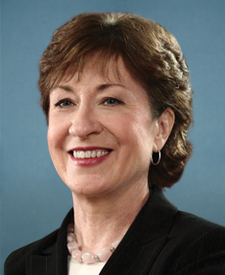
Susan Collins

Main Street Group Senate Chair · Susan Collins

Mr. Chair,

Millions of Americans with diabetes face agonizing choices between rationing life-saving insulin and buying groceries. In the HELP Committee, we crafted a common-sense, bipartisan solution that caps monthly insulin co-pays at thirty-five dollars for commercial insurance plans, stops predatory Pharmacy Benefit Manager markups, and fast-tracks generic bio-similar approvals at the FDA. Families in Maine and across America cannot wait any longer.

I motion for unanimous consent that the bill be passed. I yield.

Sen. Susan Collins[R-ME]requested Unanimous Consent
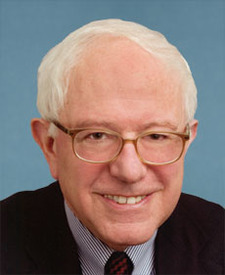
Francis Baines

Senate Ranking Member on Health, Education, Labor, and Pensions · Francis Baines

Mr. Chair, I object.

While I strongly support lowering the outrageous cost of insulin, this bill as written leaves millions of uninsured and underinsured Americans completely behind to pay three hundred dollars for a vial that costs just five dollars to manufacture. Even worse, by only capping insurance co-pays rather than the actual price charged by Big Pharma, pharmaceutical conglomerates will simply keep price-gouging health plans and pass those costs onto working families through higher monthly premiums. We cannot rubber-stamp a half-measure that protects pharmaceutical industry profits.

I yield.

Sen. Francis Baines[D-VT]objected to Unanimous Consent
Francis Baines

Senate Ranking Member on Health, Education, Labor, and Pensions · Francis Baines

Mr Chair, I offer an Amendment to end the greed of the insulin cartel once and for all.

My amendment does two critical things: First, instead of merely shifting costs onto insurance premiums, it caps the actual manufacturer list price of insulin at twenty dollars per vial for every single American, whether they have private insurance or no insurance at all. Second, it prohibits pharmaceutical companies from retaliating by hiking prices on other life-saving medications. No American should die because they cannot afford insulin. I urge my colleagues to adopt this amendment.

I yield.

Sen. Francis Baines[D-VT]offered an Amendment
View Proposed Changes

Deleted text is struck through; added text is bold.

A BILL

To cap monthly out-of-pocket insulin costs for patients with commercial health insurance, prohibit anti-competitive Pharmacy Benefit Manager practices, expedite Food and Drug Administration review of generic biosimilar insulin products, and for other purposes.

Be it enacted by the Senate and House of Representatives of the United States of America in Congress assembled,

SECTION 1. SHORT TITLE.

This Act may be cited as the "Affordable Insulin and Prescription Drug Competition Act".

SECTION 2. LIMITATION ON COMMERCIAL INSULIN COST-SHARING.

a) Any group health plan or health insurance issuer offering commercial health insurance coverage shall cap patient out-of-pocket co-payments, coinsurance, or deductible charges at no more than $35 per thirty-day supply of covered prescription insulin.

a) No pharmaceutical manufacturer, wholesaler, or pharmacy shall charge a total wholesale or retail list price exceeding $20 per vial or $35 per thirty-day supply of prescription insulin for any patient in the United States, whether insured or uninsured.

b) Cost-sharing limitations under this section shall apply regardless of whether the enrollee has satisfied the plan's annual deductible.

c) PROTECTION FOR UNINSURED AND CASH-PAYING PATIENTS.—Any individual without health insurance coverage, or whose coverage is not applied at the point of sale, shall be entitled to purchase covered insulin products at any licensed pharmacy for no more than the $20 per vial or $35 per thirty-day supply ceiling established under subsection (a).

d) PROHIBITION ON PREMIUM SHIFTING AND CROSS-DRUG PRICE HIKES.—

1) Health insurance issuers shall not increase annual plan premiums or deductibles to offset reduced insulin cost-sharing.

2) Pharmaceutical manufacturers subject to this section shall be prohibited from increasing the wholesale acquisition cost of other life-saving prescription medications above the rate of medical inflation to compensate for reduced insulin revenues.

SECTION 3. PHARMACY BENEFIT MANAGER TRANSPARENCY AND FAIRNESS.

a) Pharmacy Benefit Managers (PBMs) shall not charge a health plan or patient a co-payment or reimbursement rate for prescription insulin that exceeds the net acquisition cost of the medication.

b) No Pharmacy Benefit Manager shall restrict, penalize, or steer patients away from independent community pharmacies toward affiliated mail-order or retail pharmacies.

SECTION 4. EXPEDITED FDA APPROVAL OF BIOSIMILAR INSULIN.

a) The Food and Drug Administration (FDA) shall establish a priority review pathway for generic and interchangeable biosimilar insulin applications, issuing final determinations within 180 days of submission.

b) Brand-name pharmaceutical manufacturers shall be prohibited from entering into pay-for-delay settlements that postpone the market entry of approved biosimilar competitors.

SECTION 5. EFFECTIVE DATE.

This Act shall take effect on January 1 of the first calendar year following the date of enactment.

Chris Murphy

U.S. Senator, CT (Class 1) · Chris Murphy

Mr. Chair,

I second the Sanders amendment.

I yield.

Sen. Chris Murphy[D-CT]seconded the AmendmentVote: Concluded →